
5 Things to Know Before You Install Turnstiles for a Commercial Building
Updated: Jun 24
Installing security solutions in a commercial building is a critical decision that requires careful consideration. When it comes to access control, turnstiles are one of the most popular and effective options available. However, before you decide to install turnstiles for your facility, there are several important factors to evaluate.

At Spade Security, we've helped countless commercial property managers find the right security solutions for their unique needs. In this guide, we'll walk you through five essential considerations to help you make an informed decision.
1. Understanding Your Building's Traffic Flow and Capacity Needs
One of the most critical factors when you install turnstiles is understanding your building's traffic patterns. You need to evaluate peak occupancy hours, average daily foot traffic, and the number of entry and exit points. Different turnstile models handle varying throughput capacities.

Some turnstiles can process 20-30 people per minute, while others handle up to 60 people per minute. Failing to choose a system with adequate capacity can lead to bottlenecks during peak times, creating frustration for employees and visitors. Consider conducting a traffic audit before making your purchase to ensure you select equipment that matches your facility's needs.
2. Evaluating Different Turnstile Types for Your Environment
Turnstiles come in several varieties, each designed for different applications.
Waist-high tripod turnstiles are compact and cost-effective, making them ideal for smaller facilities or areas with moderate traffic.
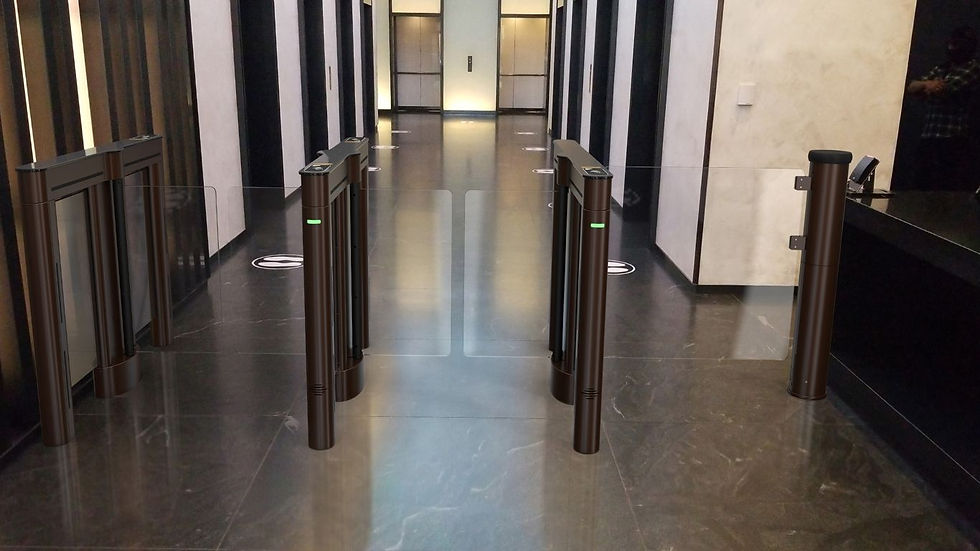
Full-height turnstiles offer maximum security and prevent jumping or crawling, though they're more expensive and take up more space. Speed gates provide a modern, elegant solution that integrates seamlessly with contemporary architecture. When you decide to install turnstiles in your facility, you must consider your building's aesthetic, security requirements, and budget constraints. Each type offers different advantages in terms of the level of security, user experience, and maintenance requirements.
3. Integration with Existing Access Control Systems
Modern turnstiles should work seamlessly with your existing access control infrastructure. Whether you're using badge readers, biometric systems, mobile credentials, or facial recognition technology, your turnstiles need to be compatible. Integration capabilities are essential for creating a unified security ecosystem.

Spade Security specializes in helping organizations ensure their access control solutions work together effectively. Before making a purchase, verify that the turnstile system supports your current authentication methods and can be easily upgraded as your technology evolves. Poor integration can lead to security vulnerabilities and operational inefficiencies.
4. Assessing Maintenance, Support, and Long-Term Costs
When you install turnstiles, the initial purchase price is just one part of the total cost of ownership. You must also consider ongoing maintenance, technical support, spare parts availability, and potential repairs. Some manufacturers offer comprehensive warranty and service packages, while others require you to source support separately. Look for suppliers that provide reliable customer service and readily available replacement parts. Ask about preventive maintenance schedules, emergency repair response times, and what happens after the warranty period expires. Choosing a reputable vendor ensures that your investment remains protected and functional throughout its lifespan.
5. Compliance with Building Codes and Safety Standards
Before finalizing your decision to install turnstiles, verify that your chosen system complies with all applicable building codes, fire codes, and safety standards. Different jurisdictions have varying requirements, particularly regarding emergency evacuation procedures. Your turnstiles must allow rapid egress in case of an emergency, and this functionality cannot be compromised. Additionally, accessibility requirements such as ADA compliance are crucial, as you need to ensure that people with disabilities can navigate your facility without obstruction. Working with experienced security consultants from Spade Security can help ensure all compliance requirements are met during the selection and installation process.
Choosing the right turnstile system for your commercial building is a significant investment that directly impacts your facility's security posture and operational efficiency. By carefully evaluating traffic flow, understanding the different types available, ensuring system integration, assessing long-term costs, and verifying compliance requirements, you can make a confident decision. Remember that security is not a one-size-fits-all solution, and what works for one building may not be ideal for another. Take the time to understand your specific needs, consult with security experts, and select equipment that will serve your organization well for years to come.


Comments